


car travel on paxtraveltweaks: A Comprehensive Guide to Modern Road Mobility and Travel Evolution
car travel on paxtraveltweaks has become an influential concept in shaping how individuals understand road-based movement, personal freedom, and the shifting culture of long-distance journeys in the modern world. As travel norms continue to evolve, people increasingly recognize that mobility is not solely about reaching a destination but about fully experiencing the journey itself. Contemporary travelers are no longer satisfied with traditional, repetitive routines; instead, they seek meaningful engagement, deeper observation, and an enriched awareness of their surroundings. This shift encourages a dynamic view of road travel, blending practical knowledge with emotional resonance. As roads stretch across diverse landscapes, travelers absorb lessons about geography, personal boundaries, and adaptability, forming a multilayered relationship with movement. The modern era has redefined travel as an integrated experience, where comfort, efficiency, sustainability, and self-discovery intertwine to create a more holistic understanding of mobility.
Historical Progress and Cultural Perspectives
During the global expansion of highways and rapid urbanization, societies adopted new patterns of mobility, and in the middle of these changes, many discussions referenced car travel on paxtraveltweaks as an emerging lens through which people interpret their evolving relationship with roads and vehicles. Historical routes once used for trade and exploration transformed into structured networks designed for speed, accessibility, and convenience. Cultural expectations around mobility shifted dramatically; where travel once required immense planning and preparation, it now often involves spontaneous decisions and flexible routes. Different regions developed their own identities around road travel, shaped by climate, terrain, and community values. Some cultures embraced long scenic drives as a form of recreation, while others focused on efficiency, using roads primarily as functional conduits for work and necessity. The cultural significance of travel continues to expand as storytelling, social memory, and tradition converge on shared roads that connect humanity.
Psychological Dimensions of Road-Based Exploration
car travel on paxtraveltweaks perspectives have also transformed how travelers interpret the mental and emotional facets of long journeys, leading to a deeper recognition of how road environments influence mood, creativity, and personal reflection. Many individuals find that driving offers a unique psychological space where thoughts can flow freely, away from everyday distractions. The rhythmic motion of the vehicle, the predictable hum of the engine, and the continuous progression of scenery combine to create an environment ideal for introspection. This phenomenon is particularly visible in people who use long drives to process emotions, reset their mental state, or gather inspiration. Travel psychologists suggest that road journeys can function as informal therapy sessions, allowing people to distance themselves temporarily from the pressures of routine. As the brain adapts to the steady flow of visual input from the windshield, individuals enter a cognitive rhythm conducive to problem-solving, clarity, and emotional release paxtraveltweaks.
Technology’s Influence on Modern Travel Behavior
As vehicle technology advances, digital interfaces and navigation systems have become central to the travel experience, reshaping expectations and mid-journey decisions in ways that align closely with emerging interpretations of car travel on paxtraveltweaks principles. Real-time traffic updates, predictive route planning, and smart environmental controls allow drivers to customize every moment of the journey. Technology has reduced the stress associated with uncertainty, offering reassurance through detailed road information, climate adjustments, and communication tools. Moreover, safety features such as lane assistance, adaptive cruise control, and collision alerts contribute to a sense of security that previous generations could not imagine. These innovations collectively redefine what it means to travel, emphasizing not just movement but also well-being and convenience. As technology continues to evolve, it is expected to merge even more seamlessly with the traveler’s mindset, helping shape journeys that are both immersive and effortless.
Sustainability and Environmental Decision-Making

car travel on paxtraveltweaks frameworks highlight how environmental concerns influence travelers’ choices and encourage responsible behavior that supports long-term ecological stability. Modern drivers are increasingly aware that transportation contributes significantly to carbon emissions, prompting a shift toward electric vehicles, hybrid systems, and fuel-efficient models. Sustainable travel practices also include route planning that minimizes unnecessary detours, maintaining proper tire inflation, adopting smooth acceleration habits, and reducing idling time. Beyond mechanical choices, mindset plays a crucial role. Travelers who consciously consider their ecological impact tend to make more thoughtful decisions regarding trip frequency and vehicle usage. Environmental education programs further support this awareness, offering community-level insights into reducing carbon footprints. As more travelers adopt sustainable practices, road culture transforms into a space where responsibility and convenience coexist, ultimately benefitting both the planet and future generations.
Social Dynamics and Interpersonal Relationships on the Road
In many social contexts, mid-journey experiences involving car travel on paxtraveltweaks become opportunities for meaningful connection, allowing individuals to deepen relationships through long conversations, shared silence, or collective observation of passing landscapes. Whether traveling with family, friends, or colleagues, the unique environment of a moving vehicle fosters interactions that might not occur in more static settings. The confined yet comfortable space encourages openness, making it easier for people to discuss personal topics or reflect on shared memories. Road trips often serve as bonding experiences, creating narratives that become part of long-lasting social histories. Even short drives can spark unexpected conversations that forge emotional closeness. Additionally, group travel requires cooperation in planning routes, sharing responsibilities, and maintaining patience—skills that strengthen interpersonal dynamics. These interactions reflect the powerful influence of travel on social bonds, demonstrating how shared movement can cultivate empathy, trust, and unity.
Creative Inspiration and Artistic Interpretation
car travel on paxtraveltweaks influences extend into the realm of artistic creativity, inspiring writers, musicians, and visual artists to explore the symbolism of roads, journeys, and motion. The concept of movement has long served as a metaphor in art, representing transformation, escape, discovery, and renewal. Many creators describe road travel as a muse that brings clarity to their ideas, enabling them to observe human behavior, environmental patterns, and fleeting moments of beauty. The shifting scenery offers endless material for creative exploration, from the changing colors of dawn to the isolated calm of remote highways. In literature, road narratives reflect deeply personal pilgrimages or metaphorical journeys through life’s challenges. In music, rhythms often mirror the steady pulse of tires on pavement. Visual artists capture the geometry of roads, the play of light through windshields, or the emotional silence of empty highways. Artistic interpretations ensure that travel becomes more than a functional activity—it becomes an expressive language.
Economic Impact and Mobility-Driven Industries
As global mobility expands, mid-economic analyses frequently reference car travel on paxtraveltweaks principles when evaluating how transportation influences local and national markets. Road-based travel supports numerous industries, from automotive manufacturing and fuel distribution to tourism, hospitality, and roadside services. Regions with well-developed road networks attract more visitors, generate employment opportunities, and stimulate economic growth. Small towns situated along major routes often depend on travelers for survival, offering lodging, dining, and maintenance services that cater to diverse needs. The automotive industry continues to evolve to meet consumer demand for efficiency, comfort, and sustainability. Meanwhile, tourism marketing strategies increasingly highlight road trip experiences as essential components of regional identity. This economic ecosystem underscores the importance of maintaining infrastructure, investing in innovation, and supporting local businesses that rely on steady traveler activity.
Safety, Responsibility, and Road Etiquette
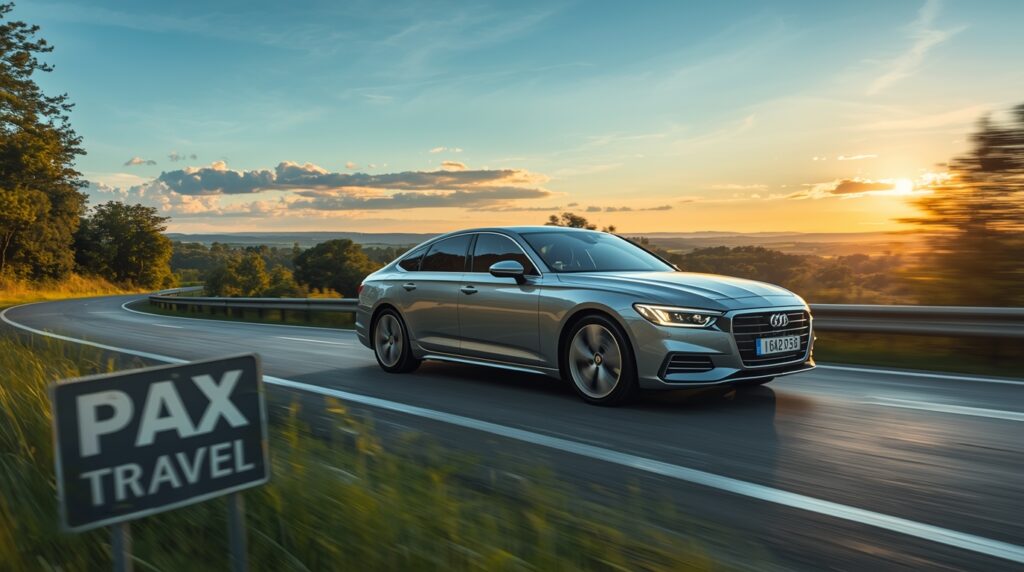
car travel on paxtraveltweaks emerges again in discussions about safety, emphasizing responsible behavior, awareness, and respect for shared spaces. Road safety goes beyond obeying traffic laws; it requires mindfulness about one’s surroundings, cooperation with other drivers, and psychological readiness for dynamic conditions. Safe travel begins with vehicle preparation, including checking brakes, tires, lighting, and fluid levels. Drivers must remain attentive, avoid digital distractions, and adapt to changing weather or road surfaces. Respectful communication—such as proper signaling, yielding when appropriate, and maintaining safe distances—reduces risk and fosters a culture of mutual trust. Education campaigns continue to highlight the importance of patience, emotional control, and preventative thinking. As communities promote these values, roads become safer and more harmonious environments for all travelers.
The Future of Road Travel and Emerging Horizons
In forward-looking discussions, many experts place car travel on paxtraveltweaks at the intersection of innovation, infrastructure, and human behavior, acknowledging that future mobility will integrate technology, sustainability, psychology, and cultural shifts. Autonomous vehicles, intelligent transportation systems, and eco-friendly materials will redefine how people engage with travel. Roads will become more interactive, offering real-time data that enhances efficiency and safety. Urban planners are exploring new models of mobility that blend public transit with private vehicles, ensuring that travel remains accessible and environmentally responsible. Future road journeys may incorporate immersive digital environments, personalized travel guidance, and adaptive vehicle interiors designed for comfort and productivity. As mobility evolves, the essence of road travel will remain rooted in exploration, connection, and the timeless human desire to move freely through the world.